

Creating a Truly Healthy Home: Healthy Home Essentials for Wellness and Sustainability

Creating a truly healthy living environment goes beyond aesthetics. It demands intentional choices that nurture your well-being, respect the environment, and reflect your personal style. I believe that a healthy home is a sanctuary where every element supports your physical and mental health. But how do you achieve this balance? Let’s explore the essential components that transform a house into a thriving, healthy space.
Understanding Healthy Home Essentials: The Foundation of Wellness
Healthy home essentials are the building blocks of a living space that promotes vitality and comfort. They include air quality, natural lighting, non-toxic materials, and smart design. Each factor plays a crucial role in reducing toxins, enhancing mood, and improving overall health.
For example, indoor air quality is often overlooked but is vital. Pollutants from cleaning products, off-gassing furniture, and poor ventilation can cause headaches, allergies, and respiratory issues. Installing high-efficiency air filters and using plants that purify air naturally can make a significant difference.
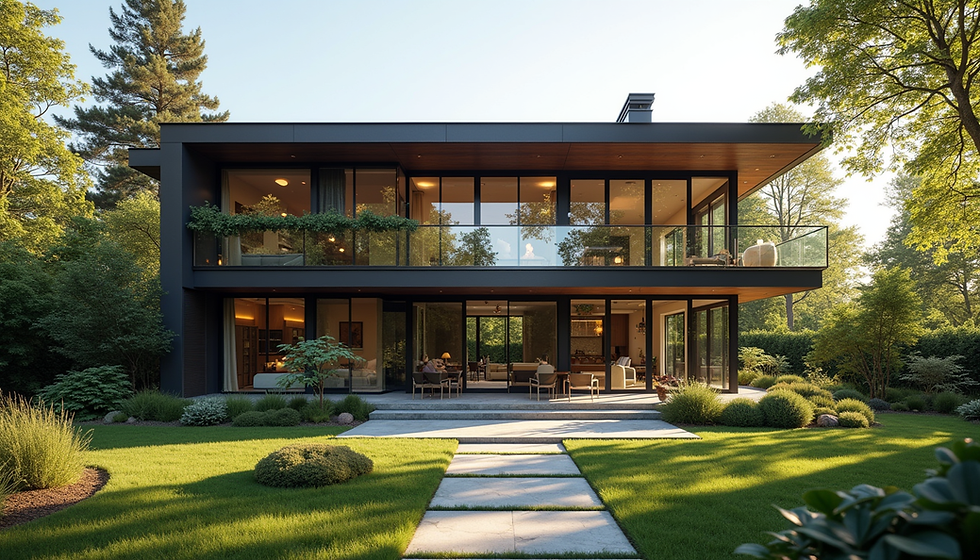
Natural light is another cornerstone. It regulates circadian rhythms, boosts vitamin D production, and uplifts your mood. Large windows, skylights, and light shelves can maximize daylight while minimizing glare and heat gain.
Materials matter too. Opt for low-VOC paints, sustainably sourced wood, and natural fibers. These choices reduce chemical exposure and support environmental stewardship.

Designing for Sustainability and Health: Practical Steps to Implement
Sustainability and health go hand in hand. When you design with the planet in mind, you also create a healthier environment for yourself. Here are practical steps to integrate these values into your living space:
Energy Efficiency: Use energy-efficient appliances and LED lighting. Consider solar panels or geothermal heating to reduce your carbon footprint.
Water Conservation: Install low-flow faucets and dual-flush toilets. Rainwater harvesting systems can irrigate gardens sustainably.
Waste Reduction: Incorporate recycling stations and compost bins. Choose durable, repairable furniture to minimize landfill waste.
Smart Home Technology: Automate lighting, heating, and air quality monitoring to optimize comfort and efficiency.
Biophilic Design: Bring nature indoors with living walls, natural textures, and organic shapes. This connection reduces stress and enhances creativity.
Each of these steps contributes to a healthier lifestyle and a more sustainable future. They also add value and comfort to your living environment.
Creating a Healthy Home Environment with Custom Design
Custom design allows you to tailor your space to your unique needs and preferences. It’s not just about style; it’s about creating a functional, healthy environment that supports your daily life.
When working with architects or designers, prioritize:
Ergonomics: Furniture and layouts that reduce strain and promote movement.
Acoustics: Soundproofing and noise control to create peaceful spaces.
Thermal Comfort: Insulation and ventilation that maintain consistent temperatures.
Material Transparency: Knowing exactly what materials are used and their health impacts.
Custom design also enables you to incorporate wellness features like meditation rooms, home gyms, or spa-like bathrooms. These spaces encourage self-care and relaxation.

Maintaining Your Healthy Home: Daily Habits and Long-Term Care
Building a healthy home is just the beginning. Maintaining it requires consistent habits and mindful care. Here are some tips to keep your space thriving:
Regular Cleaning: Use non-toxic, biodegradable cleaning products. Avoid harsh chemicals that can linger in the air.
Ventilation: Open windows daily to refresh indoor air. Use exhaust fans in kitchens and bathrooms.
Decluttering: Keep spaces tidy to reduce dust and allergens. Donate or recycle items you no longer need.
Routine Maintenance: Check HVAC systems, filters, and plumbing regularly to prevent issues.
Mindful Purchasing: Choose products with minimal packaging and sustainable certifications.
These habits ensure your healthy home remains a sanctuary for years to come.
Embracing Wellness Architecture: The Future of Healthy Living
Wellness architecture is an emerging field that integrates health principles into every aspect of building design. It focuses on creating spaces that enhance physical, mental, and emotional well-being.
Imagine a home designed with:
Optimized daylight and views to nature
Natural ventilation systems that reduce reliance on mechanical cooling
Materials that promote air and water purity
Spaces that encourage movement and social connection
This approach is not just a trend; it’s a necessary evolution in how we live. By embracing wellness architecture, you invest in a future where your living environment actively supports your health and happiness.
Creating a truly healthy home is a journey. It requires knowledge, intention, and care. But the rewards - a vibrant, sustainable, and beautiful living space - are well worth the effort. Start with these essentials, and watch your home transform into a haven of wellness.
Thank you for joining me on this exploration of healthy home essentials. Your living space is more than a shelter - it’s a foundation for your well-being. Let’s build it wisely.


Comments